
What does it look like to build real relationships with people and share your faith in real ways?
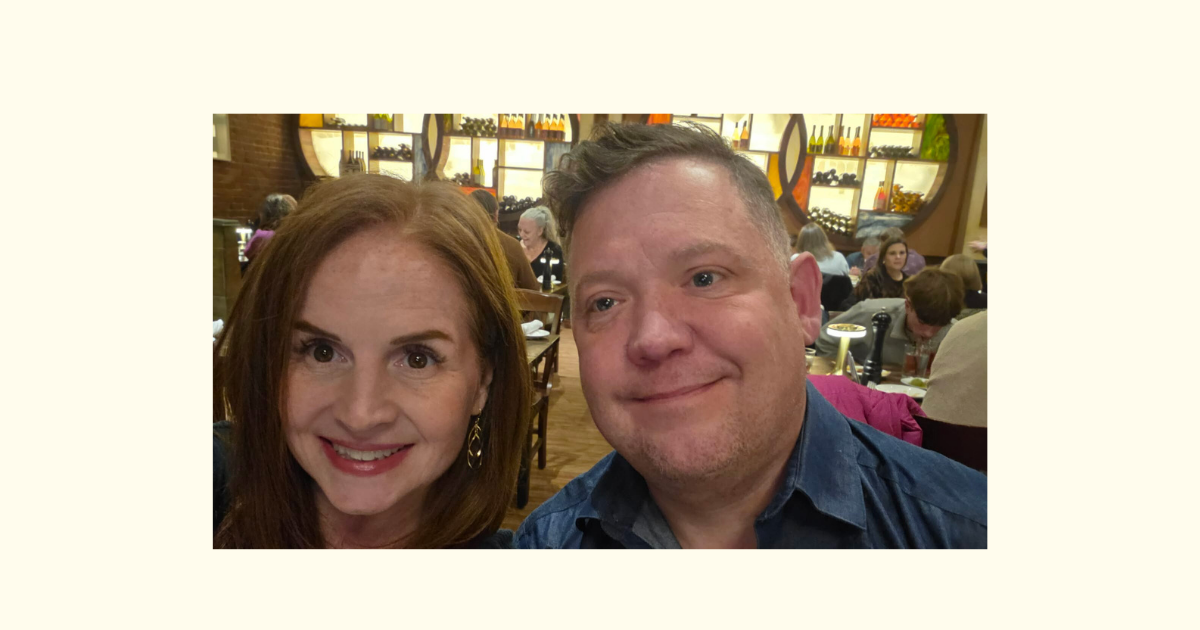
In this story, Tony reflects on how a new relationship began through his wife Chasity’s involvement in the independent film community in Kansas City. What started as humor and authenticity — “I need you in my life” — became a shared meal and conversation.
As the relationship grows, they wrestle with an important tension: When do we share the gospel? How do we honor people’s stories without turning them into projects?
This portrait explores listening deeply, valuing people genuinely, and allowing Jesus to be part of everyday conversation without agenda or pressure.
Below is the fully written Q&A conversation.
Justin
Well, here’s where I wanted to bring our conversation today. It goes back to what you shared with me on the phone last week — that story about meeting with a couple, having dinner around the table, listening and engaging, and having that interaction.
I would love to frame this conversation around what we’ve been working through in the Blessing Your Neighbor course.
So my first question — just respond naturally. There’s no right or wrong here — but before we started this Blessing Your Neighbors course and the BLESS rhythm, what did loving your neighbors or blessing your neighbors usually look like for you?
Tony
I intentionally try to get around and talk to my neighbors, but it’s not really deep.
Directly across the street are the ones we’ve connected with most. They’re believers, so we do actually talk about things. When we fire up the fire pit, we invite each other over to sit and talk. So I have that relationship.
The neighbors to the right and left haven’t really connected. It’s mostly the rhythm of life. We’re busy at times when they’re not, and they’re busy when we’re not.
When I think about what inhibits real connection with the people we live with and learn with and play with, part of it feels like there isn’t a natural life-stage connection. The lady next door is in her 90s. The couple diagonal from us are probably in their 70s. Diagonal the other direction is a mom with two kids who is divorced and moved back in with her parents. Immediately to the other side is another widow.
So there isn’t really that natural same age, same stage-of-life connection like we have across the street.
What we have fallen into is this: my wife has gotten involved in the independent film community in Kansas City. She’s making friends there. From my observations, a lot of them probably don’t know Jesus. One girl was talking about the Satanist movie she’s making, so I’m guessing she’s not a believer.
One couple we’ve really hit it off with — my wife was just making jokes and being herself, being goofy like she does — and this lady said, “I need you in my life. I need another woman with that sense of humor, because I have that sense of humor and people don’t get me.”
We’ve connected with them at least once a month for the last three months. She was raised Mormon. He lost his wife to a long illness. They married after that.
We get along with them great. We go over and hang out, and they want to continue doing that. As far as I can tell, it’s definitely a door that’s open.
The first Sunday when we were doing the BLESS rhythms, Chasity said, “So when do we share the gospel?”
That’s her black-and-white, cut-to-the-chase mentality. She’s probably already sprinkled it in two or three times just by the way she talks.
Justin
Can you expand on that tension?
You love someone. You know what they need is the gospel. But this is a new relationship with people who don’t believe in Jesus, and you’re trying to honor where they’re at. You want to share, but you also want to live enough with them to hear their story and understand who they are.
What is that tension like?
Tony
The thing Chasity does well is she cares deeply about people. It doesn’t come across as, “I’m trying to win you over.” It comes across as, “You’re important to me. Jesus is important to me.” It’s natural. It flows out of who she is. It doesn’t feel like, “I’ve made you my project.”
I do think there’s benefit in understanding what the core of the gospel message is — what makes someone a Christian versus not a Christian. That might be worth doing a training on.
But I think it comes down to knowing that you care. That’s part of the value of the BLESS rhythms. They’re built around valuing the person.
You start by being attuned to what’s going on around you and praying. Then listening and engaging so you’re connecting with people and showing that you value what’s going on in their lives.
Eating with someone is a great way to connect on the same level. It’s egalitarian. It says, “You are the same as me.” It’s not me reaching down to bring you up.
Serving is also important. If you put physical effort into caring for someone, that shows something. It’s not just words or a sermon. It shows you actually care, and they’re not just a project.
When you get to sharing, your faith shouldn’t be something you’re hiding. From day one, you know Chasity is a follower of Jesus. She’s not going to treat you weird or badly because of it. She’s a follower of Jesus and she can hang out and have fun like everyone else.
There’s a real sense of, “We’re not here to judge you. We’re here to care.”
So when it comes to sharing, it can just be part of your conversation. “This guy at church said this…” You throw it in because it’s part of your life. It’s not an agenda.
But you’re also not hiding your faith the whole time and then springing it on them later. Otherwise people feel like you were trying to sell them something.
Justin
I feel like there’s a direct connection between listening and sharing. You earn the right to share when you’ve actually listened. And when you’ve done the work of listening, you know what to share.
Can you speak to that?
Tony
A common method in evangelism is to ask questions and get the other person talking. When someone is sharing their thoughts and beliefs, it’s easier to say, “Do you mind if I share what I’ve lived by? What I’ve discovered? What helps me?”
Listening and asking good questions opens the door for you to say, “Can I share from my experiences?”
And again, it’s treating each other like equals.
Someone once told me the most meaningful thing you can do for someone is understand their dream and affirm that dream. So I try to listen for what’s important to them.
One of the guys we’re building a relationship with took his daughter to Burning Man. He showed pictures and talked about it. Instead of judging, I asked, “What was the value to you? How did that bond you and your daughter?”
He talked about generosity and community — how you can sit down and have a conversation with anyone. And I thought, that sounds like what the church should be. It blew my categories. The accusation against Jesus from religious leaders was that He was a drunkard and a glutton. You don’t get called that unless you’re around drunkards and gluttons and at some point eating and drinking.
People are looking for life. They’re looking for connection and freedom and community. So I try to say, “I value that too. And here’s how my faith lives that value.”
Wondering what the BLESS Rhythms are the Tony is talking about? Check them out here.